Connectivity in Subwoofers: What It Is and Is It Worth It?
As an Amazon Associate we earn from qualifying purchases. Links on this page are affiliate links.
Subwoofer Connectivity Explained Simply
Connectivity explained helps you understand how your subwoofer talks to other gear. You will see two main labels on spec sheets: Wireless and Bluetooth. These terms describe the method used to send audio signals without a physical cable. Understanding the difference ensures you buy a unit that fits your current setup.
Bluetooth connectivity uses radio waves to transmit audio. It allows you to stream music from phones or tablets directly to the subwoofer. This feature turns a standard passive sub into an active speaker. You do not need a receiver or amplifier for basic music playback. However, Bluetooth introduces a slight delay. This latency can cause the bass to fall out of sync with video or games. If you watch a lot of movies, this delay might be noticeable.
Wireless connectivity in this niche often refers to proprietary radio links rather than standard Bluetooth. Brands like Sonos or KEF use their own wireless protocols. These systems create a dedicated, low-latency connection between the sub and a main speaker or hub. The signal is stable and synchronized. You get tight bass that matches the timing of your other speakers. This option usually requires a specific ecosystem. You must buy compatible main speakers to use the wireless feature fully.
When you look at listings, check the connection type carefully. If you want easy music streaming, look for Bluetooth. If you want precise audio sync for home theater, look for proprietary wireless tech. Wired connections via RCA or LFE cables remain the most reliable for latency. They require no pairing or batteries. Use wireless options only if you value clean cable management or have specific streaming needs. Your choice depends on whether you prioritize convenience or timing accuracy.
Wireless Versus Bluetooth Subwoofers
Wireless
This label indicates a proprietary link, often using Wi-Fi or a dedicated radio frequency. You connect the subwoofer to a base station or soundbar. The ULTIMEA Poseidon M80 uses this method to pair with its soundbar. This setup avoids interference from other devices. It offers stable latency for movies. You must buy the matching ecosystem. The Sonos Sub Mini fits this category. It connects to your network for clean audio. This choice suits home theater users. You get reliable bass without cable clutter. The trade-off is limited compatibility. You cannot use it with other brands. Your system must support the specific protocol. This ensures consistent performance for your setup.
Bluetooth
This option means the subwoofer connects via standard Bluetooth protocols. You pair it directly with a phone, tablet, or computer. The JBL PRX915XLF includes this feature for professional use. The Dayton Audio IOSUBP also supports Bluetooth for outdoor setups. This method offers broad compatibility. You can use it with many devices. The range is usually shorter than Wi-Fi. You may experience interference in crowded areas. Bluetooth is ideal for portable or simple setups. You do not need a base station. The JBL unit uses it for app control. This is a practical choice for flexibility. You avoid proprietary locks. However, you might face occasional connection drops. This suits users who value versatility over fixed installation.
Is Wireless Worth The Upgrade
Who needs it
You should prioritize wireless or Bluetooth connectivity if your setup relies on a compact soundbar or a limited number of available ports. These technologies allow you to place the subwoofer anywhere in the room without running long cables across your floor. This flexibility is crucial for maintaining a clean aesthetic in living rooms or bedrooms. If you want to experiment with placement to find the best bass response, wireless links let you move the unit freely. Bluetooth is also ideal if you want to stream music directly from your phone to the subwoofer for standalone use. It simplifies your living space by reducing clutter. You get the benefits of deep bass without the hassle of managing multiple wires. This option suits those who value convenience and a tidy environment above all else.
Who can skip it
You can skip wireless features if you already have a robust AV receiver with ample inputs and do not mind cable management. Wired connections via RCA or LFE ports often provide more consistent signal stability. They do not suffer from potential interference or latency issues that can occasionally affect wireless links. If you are building a dedicated home theater room with precise acoustic treatment, a wired setup offers greater reliability. You can also prioritize driver size and amplifier power over connectivity methods. These specs directly impact sound quality and volume levels. Focus on finding a subwoofer with a larger driver and a powerful motor for better performance. Wireless capabilities are secondary to the fundamental ability to move air and reproduce low frequencies accurately. Stick to traditional inputs if you prefer a straightforward, no-fuss installation process.
Connectivity Glossary Terms
Bluetooth
A short-range wireless standard for sending audio. It allows you to connect your subwoofer to phones or TVs without cables, offering convenience for small setups.
Wireless
A broad term for cable-free audio transmission. In subwoofers, this often means a proprietary link to a soundbar or base station, ensuring stable, low-latency performance.
Wi-Fi
A local area network technology used for high-bandwidth audio. It enables multi-room sync and high-resolution streaming, often requiring a dedicated transmitter or base unit.
Latency
The delay between the source signal and the sound output. Low latency ensures the bass stays in sync with video and music, preventing noticeable audio drift.
Interference
Signal disruption caused by other wireless devices. It can cause audio dropouts or static, so choosing the right frequency band helps maintain a clean connection.
Range
The maximum distance the signal travels reliably. Typical wireless subwoofers work within a single room, while Wi-Fi systems may cover larger areas with less dropouts.
Pairing
The process of linking two devices securely. You initiate pairing to establish a dedicated connection, ensuring only your authorized subwoofer receives the audio signal.
Bandwidth
The amount of data transferred per second. Higher bandwidth supports uncompressed audio quality, preserving the full detail of your bass frequencies without compression artifacts.
Quick picks
| # | Product | Best for | Price |
|---|---|---|---|
| 1 | ULTIMEA 5.1ch Soundbar with Wireless Subwoofer | home theater setups with wireless sub needs | Check price of ULTIMEA 5.1ch Soundbar with Wireless Subwoofer on Amazon |
| 2 | JBL PRX915XLF 15-Inch Powered Subwoofer | professional PA setups requiring app-based DSP | Check price of JBL PRX915XLF 15-Inch Powered Subwoofer on Amazon |
| 3 | Sonos Sub Mini Compact Wireless Subwoofer | small rooms and clean aesthetics | Check price of Sonos Sub Mini Compact Wireless Subwoofer on Amazon |
| 4 | Dayton Audio IOSUBP 10" Outdoor Bluetooth Subwoofer | outdoor patio and garden audio setups | Check price of Dayton Audio IOSUBP 10" Outdoor Bluetooth Subwoofer on Amazon |
| 5 | Sonos Sub 4 Wireless Subwoofer | Sonos ecosystem users seeking WiFi bass | Check price of Sonos Sub 4 Wireless Subwoofer on Amazon |
| 6 | Sonos Sub Mini White Compact Wireless Subwoofer | small rooms with Sonos soundbars | Check price of Sonos Sub Mini White Compact Wireless Subwoofer on Amazon |
Our 6 picks

ULTIMEA 5.1ch Soundbar with Wireless Subwoofer
Best for: home theater setups with wireless sub needs
- Connectivity
- Bluetooth (what this guide is about)
- Woofer Size
- 5.25"
- Power Handling
- 312W Peak
- Application
- Home Theater
- Dimensions
- 3.54 × 23.6 × 2.76 inches
- Weight
- 12.6 pounds
View on Amazon: ULTIMEA 5.1ch Soundbar with Wireless Subwoofer Affiliate link
The ULTIMEA Poseidon M80 system includes a 5.25-inch wireless subwoofer with 312W peak power. It connects to the soundbar without cables, simplifying your setup. The unit supports Bluetooth 6.0 for music streaming and HDMI eARC for Dolby Atmos. You get six EQ modes and app control to adjust bass and surround levels. This setup suits home theater users who want cinematic sound without messy wires.
Pros
- 5.25-inch wireless subwoofer for deep bass
- 312W peak power handling
- Bluetooth 6.0 for music streaming
- HDMI eARC supports Dolby Atmos
- ULTIMEA app for EQ and bass control
Cons
- 5.25-inch driver is smaller than typical dedicated subs
- Does not support DTS audio decoding
- Surround speakers require wired connection to the sub
Good fit if
- You want a wireless subwoofer to reduce cable clutter
- You need Dolby Atmos support via HDMI eARC
- You want app control for sound customization
Skip if
- You require DTS audio decoding
- You need a large dedicated subwoofer driver
- You want fully wireless surround speakers
Verdict: ULTIMEA Poseidon M80 Wireless Subwoofer fits buyers who want a complete 5.1 system with a wireless sub and app control. It delivers clear bass and Atmos support for home theater setups.

JBL PRX915XLF 15-Inch Powered Subwoofer
Best for: professional PA setups requiring app-based DSP
- Connectivity
- Bluetooth (what this guide is about)
- Woofer Size
- 15-Inch
- Power Handling
- 2000 Watt
- Amplifier Type
- Class D
- Speaker Type
- Powered
- Dimensions
- 27.2 × 23.3 × 23.1 inches
View on Amazon: JBL PRX915XLF 15-Inch Powered Subwoofer Affiliate link
The JBL PRX915XLF is a 15-inch powered subwoofer with Bluetooth connectivity. It features a 2000-watt Class D amplifier and a 15-inch ferrite magnet woofer. The unit includes a 6-band parametric EQ and DSP for precise tuning. Its 18mm birch cabinet is built for durability. This subwoofer suits users who need portable, high-output bass with professional control options via the JBL Pro Connect app.
Pros
- 15-inch ferrite magnet woofer for deep bass output
- 2000-watt Class D amplification for high power handling
- Bluetooth Low Energy control via JBL Pro Connect app
- 6-band parametric EQ and 20ms delay for system tuning
- 18mm birch cabinet for improved durability and smooth response
Cons
- Heavy at 64.3 pounds, making it less portable than lighter models
- Large footprint with dimensions of 23.3 x 27.2 x 23.1 inches
- No onboard physical remote control listed in specifications
Good fit if
- You need high-output bass for professional PA setups
- You want precise DSP tuning via a mobile app
- You require a durable birch cabinet for road use
Skip if
- You need a compact subwoofer for small living rooms
- You prefer wireless connectivity without an app
- You want a lightweight subwoofer under 50 pounds
Verdict: JBL PRX915XLF 15-Inch Powered Subwoofer fits users who need professional-grade bass with app-based DSP control. Its heavy build and large size suit stage use rather than home listening.

Sonos Sub Mini Compact Wireless Subwoofer
Best for: small rooms and clean aesthetics
- Connectivity
- Wireless (what this guide is about)
- Woofer Size
- Dual 6"
- Enclosure Type
- Sealed
- Size
- Single
- Dimensions
- 8.98 × 8.98 × 11.9 inches
- Weight
- 14 pounds
View on Amazon: Sonos Sub Mini Compact Wireless Subwoofer Affiliate link
The Sonos Sub Mini is a compact wireless subwoofer designed for smaller spaces. It features an acoustically sealed cabinet with dual inward-facing woofers that cancel distortion. Trueplay tuning adapts bass to your room's acoustics using a supported iOS device. This single-driver unit weighs 14 pounds and measures 8.98 by 11.9 inches. It suits you if you want clean, deep bass without taking up much floor space.
Pros
- Wireless connectivity for clean setup
- Acoustically sealed cabinet design
- Dual inward-facing woofers reduce distortion
- Trueplay tuning adapts to room acoustics
Cons
- Requires a supported iOS device for Trueplay tuning
- Single driver limits maximum bass output compared to larger subs
- No Bluetooth connectivity listed in specifications
Good fit if
- You have limited floor space for audio equipment
- You use an iOS device for room calibration
- You want wireless integration with Sonos soundbars
Skip if
- You need Bluetooth connectivity for direct streaming
- You require Android-based room tuning
- You want a subwoofer with multiple drivers for higher volume
Verdict: Sonos Sub Mini Wireless Subwoofer is a space-saving choice for users who prioritize clean, distortion-free bass in small rooms. It fits you best if you already use Sonos products and an iOS device for setup.
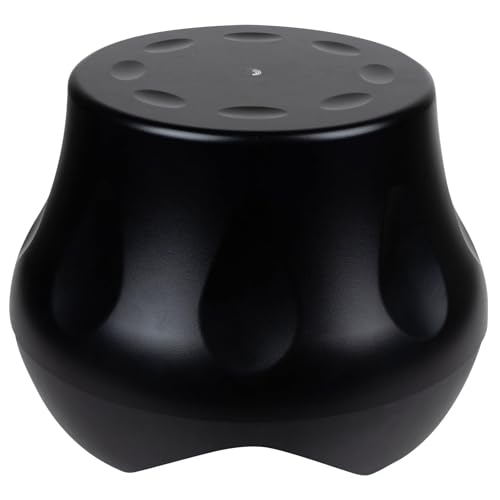
Dayton Audio IOSUBP 10" Outdoor Bluetooth Subwoofer
Best for: outdoor patio and garden audio setups
- Connectivity
- Bluetooth (what this guide is about)
- Woofer Size
- 10"
- Amplifier Type
- Built-in Bluetooth amplifier
- Speaker Type
- Powered
- Dimensions
- 16.5 × 16.5 × 12.2 inches
View on Amazon: Dayton Audio IOSUBP 10" Outdoor Bluetooth Subwoofer Affiliate link
The Dayton Audio IOSUBP is a 10-inch powered subwoofer designed for outdoor use. It features an IP66 weatherproof rating and built-in Bluetooth connectivity. The unit includes a built-in amplifier that powers two additional outdoor speakers, eliminating the need for external amps. Accessible volume and crossover knobs allow for easy sound control. It is built for patios and gardens.
Pros
- IP66 weatherproof design withstands rain and dust
- Built-in Bluetooth amplifier powers two extra speakers
- 10-inch high-excursion woofer for deep bass
- Accessible volume and crossover adjustment knobs
Cons
- Bluetooth only; no Wi-Fi or wired line-in options listed
- No remote control included in specifications
- Additional outdoor speakers not included
Good fit if
- You need a weatherproof subwoofer for outdoor spaces
- You want to power two extra outdoor speakers without an external amp
- You prefer simple physical controls for volume and crossover
Skip if
- You require a subwoofer for indoor home theater use
- You need Wi-Fi or multi-room streaming capabilities
- You want to include extra speakers in the box
Verdict: Dayton Audio IOSUBP 10" Wireless Bluetooth Subwoofer suits users who need a rugged, weatherproof bass solution for outdoor patios or gardens. It is ideal for those who want to drive two additional speakers without buying a separate amplifier.

Sonos Sub 4 Wireless Subwoofer
Best for: Sonos ecosystem users seeking WiFi bass
- Connectivity
- Wireless (what this guide is about)
- Enclosure Type
- Ported
- Application
- Soundbars
- Dimensions
- 6.22 × 15.3 × 15.8 inches
- Weight
- 26.5 pounds
View on Amazon: Sonos Sub 4 Wireless Subwoofer Affiliate link
The Sonos Sub 4 uses a ported enclosure and dual drivers to deliver deep bass. It connects wirelessly via WiFi, allowing flexible placement away from your receiver. This white subwoofer weighs 26.5 pounds and measures 15.3 by 15.8 inches. It is designed for users who want reliable wireless connectivity and distortion-free low-frequency output in a home theater setup.
Pros
- WiFi wireless connectivity for flexible placement
- Ported enclosure enhances bass response
- Dual Sonos-engineered drivers for dynamic bass
- Force-canceling architecture reduces distortion
Cons
- No Bluetooth connectivity listed in specifications
- Requires Sonos app for setup and control
- Limited to white or black color options
Good fit if
- You want reliable wireless connectivity without cables
- You are building a Sonos home theater system
- You need a subwoofer with low distortion
Skip if
- You require Bluetooth connectivity for direct pairing
- You need a subwoofer with multiple color choices
- You prefer a wired connection for stability
Verdict: Sonos Sub 4 Wireless Subwoofer fits users who prioritize WiFi connectivity and clean bass in a Sonos ecosystem. It is not suitable for those needing Bluetooth or wired connections.

Sonos Sub Mini White Compact Wireless Subwoofer
Best for: small rooms with Sonos soundbars
- Connectivity
- Wireless (what this guide is about)
- Woofer Size
- Dual 6"
- Enclosure Type
- Sealed
- Size
- Single
- Dimensions
- 8.98 × 8.98 × 11.9 inches
- Weight
- 14 pounds
View on Amazon: Sonos Sub Mini White Compact Wireless Subwoofer Affiliate link
The Sonos Sub Mini is a compact wireless subwoofer designed for small spaces. It measures 8.98 by 8.98 by 11.9 inches and weighs 14 pounds. The acoustically sealed cabinet houses dual custom woofers that face inward to cancel distortion. Trueplay tuning adapts the bass to your room's acoustics, provided you have a supported iOS device. It pairs well with Beam or Ray soundbars.
Pros
- Wireless connectivity simplifies setup
- Dual inward-facing woofers neutralize distortion
- Compact 14-pound design fits tight spots
- Trueplay tuning optimizes bass for your room
Cons
- Requires a supported iOS device for Trueplay tuning
- Single driver limits output compared to larger models
- No Bluetooth connectivity listed in specifications
Good fit if
- You need a subwoofer for a small room
- You already own a Sonos Beam or Ray soundbar
- You want a wireless setup with minimal wiring
Skip if
- You require Bluetooth connectivity for direct streaming
- You have a large room needing high output
- You do not have an iOS device for tuning
Verdict: Sonos Sub Mini Wireless Subwoofer is a solid choice for Sonos ecosystem users with limited space. It delivers clean bass in a small footprint, but lacks Bluetooth and requires an iPhone for full feature access.
Specifications side by side
| Spec | ULTIMEA 5.1ch Soundbar with Wireless Subwoofer | JBL PRX915XLF 15-Inch Powered Subwoofer | Sonos Sub Mini Compact Wireless Subwoofer | Dayton Audio IOSUBP 10" Outdoor Bluetooth Subwoofer | Sonos Sub 4 Wireless Subwoofer | Sonos Sub Mini White Compact Wireless Subwoofer |
|---|---|---|---|---|---|---|
| Woofer Size | 5.25" | 15-Inch | Dual 6" | 10" | not stated | Dual 6" |
| Power Handling | 312W Peak | 2000 Watt | not stated | not stated | not stated | not stated |
| Amplifier Type | not stated | Class D | not stated | Built-in Bluetooth amplifier | not stated | not stated |
| Enclosure Type | not stated | not stated | Sealed | not stated | Ported | Sealed |
| Connectivity | Wireless | Bluetooth Low Energy | Wireless, WiFi | Bluetooth | WiFi | Wireless, WiFi |
| Application | Home Theater | not stated | not stated | not stated | Soundbars | not stated |
| Speaker Type | not stated | Powered | not stated | Powered | not stated | not stated |
| Size | not stated | 15-Inch Subwoofer | Single | not stated | not stated | Single |
| Dimensions | 3.54 × 23.6 × 2.76 inches | 27.2 × 23.3 × 23.1 inches | 8.98 × 8.98 × 11.9 inches | 16.5 × 16.5 × 12.2 inches | 6.22 × 15.3 × 15.8 inches | 8.98 × 8.98 × 11.9 inches |
| Weight | 12.6 pounds | 64.3 pounds | 14 pounds | not stated | 26.5 pounds | 14 pounds |
| Color | Matte Black | Powered | Black | Black | not stated | White | White |
| Model | U2524 | JBL-PRX915XLF-NA | SUBM1US1BLK | IOSUBP | SUBG4US1 | SUBM1US1 |
Frequently asked questions
Can I use a Bluetooth subwoofer with my iPhone?
Yes, but availability depends on the specific model. The Sonos Sub Mini requires an iPhone for full feature access. Other Bluetooth options, like the JBL PRX915XLF, focus on professional app-based DSP control rather than direct phone pairing for casual listening.
What is the size difference between wireless and Bluetooth subs?
Size varies by brand and purpose, not just connectivity. The Sonos Sub Mini is compact at 8.98 inches wide. In contrast, the JBL PRX915XLF is much larger at 23.3 inches wide and weighs 64.3 pounds. The Dayton Audio IOSUBP measures 16.5 inches wide for outdoor use.
Does a wireless subwoofer need a separate amplifier?
Not always. Some units are powered internally. The Dayton Audio IOSUBP is a powered speaker that can drive additional speakers without a separate amplifier. The JBL PRX915XLF is also a powered subwoofer. You must check the specs to confirm if the unit includes its own amplification.
Is Bluetooth better than wireless for home theaters?
It depends on your ecosystem. The ULTIMEA Poseidon M80 uses wireless connectivity to pair with a soundbar for a complete 5.1 system. The Sonos Sub 4 uses WiFi for clean bass in a Sonos ecosystem. Bluetooth is less common for full home theater setups in this list.
Can I place a wireless subwoofer anywhere in the room?
Generally, yes. Wireless connections remove the need for long audio cables. The Sonos Sub Mini is designed for small rooms and clean aesthetics. The ULTIMEA Poseidon M80 allows placement away from the soundbar. This flexibility helps you optimize bass response without cable constraints.
What does the weight of a subwoofer tell me?
Weight often indicates build quality and driver size. The Sonos Sub Mini weighs 14 pounds, making it easy to move. The JBL PRX915XLF weighs 64.3 pounds, suited for stage use. Heavier units like the Sonos Sub 4 (26.5 pounds) may offer more stable bass performance.
Do I need an app to control these subwoofers?
Many modern units use apps for setup. The JBL PRX915XLF uses app-based DSP control. The Sonos Sub Mini requires an iOS device for full features. The ULTIMEA Poseidon M80 also offers app control. Check the product details to see if an app is mandatory for operation.