Klipsch or Bose? Subwoofers Compared in 2026
As an Amazon Associate we earn from qualifying purchases. Links on this page are affiliate links.
This klipsch vs bose subwoofer comparison looks at two very different approaches to low-frequency output. Both units are black and designed to enhance home theater audio. The Klipsch R-120SW is a large, wired bass-reflex model with substantial power handling. The Bose Bass Module 500 is a compact, wireless cube built for seamless integration with Soundbars. You need to decide between raw power and space-saving convenience.
Key differences
| Aspect | Klipsch 12" 400W Bass-Reflex Subwoofer | Bose Bass Module 500 Wireless Subwoofer |
|---|---|---|
| Enclosure Type | Bass-reflex via rear firing port | Compact cube (wireless) |
| Woofer Size | 12 inches | 10 inches |
| Power Handling | 200 watts RMS / 400 watts peak | not listed |
| Connectivity | Wired | Wireless |
| Weight | 31 pounds | 11.5 pounds |
Which one should you choose?
Choose Klipsch 12" 400W Bass-Reflex Subwoofer if
- You want maximum output and a 12-inch driver for deep bass.
- You prefer a traditional wired connection with high power handling.
- You do not mind a larger footprint for better acoustic performance.
Choose Bose Bass Module 500 Wireless Subwoofer if
- You need a subwoofer that fits in a small 10-inch cube.
- You want wireless connectivity to pair easily with a Bose Soundbar.
- You prioritize a lightweight unit that is easy to hide or move.
Verdict: The Klipsch R-120SW is the better choice for audiophiles seeking high power and a larger 12-inch driver. The Bose Bass Module 500 suits users who value wireless simplicity and a compact footprint. Your decision depends on whether you prioritize raw specification performance or convenient integration.
Klipsch or Bose Subwoofer Comparison
Woofer Size
The Klipsch R-120SW features a 12-inch high excursion spun-copper Imp woofer. This larger driver is designed to move more air, which typically translates to deeper and more impactful bass extension. In contrast, the Bose Bass Module 500 utilizes a 10-inch driver packed into a compact cube. While the Bose unit is smaller, the Klipsch offers a physical advantage in driver diameter. A larger woofer generally allows for greater excursion and lower frequency reproduction without distortion. You should consider whether you prioritize raw driver size or compact integration.
Enclosure Type
The Klipsch R-120SW employs a bass-reflex enclosure with a rear-firing port. This design uses the port to extend low-frequency response and increase efficiency, allowing for louder output with less amplifier strain. The Bose Bass Module 500 uses a sealed or proprietary design optimized for its specific wireless ecosystem. The data does not explicitly state the Bose enclosure type, but the Klipsch offers a traditional ported design. Ported enclosures often provide a slight edge in maximum output and extension at the lowest frequencies. This choice affects how the subwoofer interacts with your room boundaries.
Power Handling
The Klipsch R-120SW is rated for 200 watts RMS and 400 watts peak power. This substantial power handling suggests it can deliver high volumes without clipping or distortion. The Bose Bass Module 500 does not list specific RMS or peak wattage ratings in the provided data. Without these figures, direct comparison of raw power potential is difficult. However, the Klipsch's specified 400-watt peak capacity indicates it can handle high dynamic peaks effectively. If you require high volume levels, the Klipsch provides clearer specifications regarding its power capabilities.
Connectivity
The Bose Bass Module 500 offers wireless connectivity, specifically designed to pair with Bose Soundbars. This eliminates the need for speaker cables, allowing for flexible placement and a cleaner look. The Klipsch R-120SW is a wired subwoofer that requires physical connections to your receiver or amplifier. Wireless setups simplify installation but may introduce latency or compression depending on the implementation. The Bose unit is ideal for those wanting a cable-free experience. The Klipsch is better for users who prefer a direct, wired signal path for maximum reliability.
Size
The Bose Bass Module 500 is a compact 10-inch cube, measuring 10 x 10 x 10 inches and weighing 11.5 pounds. Its small footprint makes it easy to hide in corners or behind furniture. The Klipsch R-120SW is significantly larger, measuring 19.2 x 14 x 16.5 inches and weighing 31 pounds. The Klipsch requires more floor space and may be more visible in your living area. If space is limited or aesthetics are a priority, the Bose unit is the clear choice. For those with ample space, the Klipsch offers more physical presence.
Which subwoofer matches your setup needs?
Home theater enthusiasts wanting deep bass
The Klipsch R-120SW delivers substantial low-frequency output with a 12-inch woofer and a frequency response down to 29 Hz. Its 400-watt peak power handling and 116 dB sensitivity ensure room-filling impact. This wired, bass-reflex design prioritizes raw acoustic performance and extension for serious cinematic experiences.
Users with Bose Soundbar systems
The Bose Bass Module 500 connects wirelessly to compatible Bose Soundbars, simplifying setup and placement. Its compact 10-inch cube design fits easily into small spaces without obstructing views. This integration ensures seamless audio synchronization and easy hiding, making it ideal for those already invested in the Bose ecosystem.
Buyers needing discreet, space-saving audio
Weighing only 11.5 pounds and measuring 10 inches per side, the Bose Bass Module 500 is significantly smaller and lighter than the Klipsch. Its cube form factor allows for inconspicuous placement in tight corners or on shelves. This compact size makes it a practical choice for apartments or smaller living rooms.
The products compared

Klipsch 12" 400W Bass-Reflex Subwoofer
Best for: High-output home theater bass
- Woofer Size
- 12"
- Power Handling
- 200 watts RMS / 400 watts peak
- Enclosure Type
- Bass-reflex via rear firing port
- Frequency Response
- 29 Hz – 120 Hz +/- 3 dB
- Sensitivity
- 116 dB
- Size
- Single
View on Amazon: Klipsch 12" 400W Bass-Reflex Subwoofer Affiliate link
The Klipsch R-120SW uses a 12-inch spun-copper woofer to deliver deep bass. It handles 400 watts peak power and reaches 116 dB max output. The frequency response covers 29 Hz to 120 Hz. This rear-firing port design fits well in rooms where you need strong low-end impact. It is a solid choice for movie watchers who want clear, powerful sound.
Pros
- 12-inch high excursion spun-copper woofer
- 400 watts peak amplifier power
- 116 dB max acoustic output
- 29 Hz to 120 Hz frequency response
Cons
- Limited to single driver configuration
- No Bluetooth or wireless connectivity listed
- Heavy at 31 pounds for relocation
Good fit if
- You want high volume capability for large rooms
- You prefer wired connections for stability
- You need deep bass down to 29 Hz
Skip if
- You need a compact subwoofer under 15 inches tall
- You want wireless streaming capabilities
- You prefer dual driver models for more power
Verdict: Klipsch R-120SW 12-inch Subwoofer delivers high output and deep bass for home theater setups. It suits viewers who prioritize raw power and wired reliability over wireless convenience.
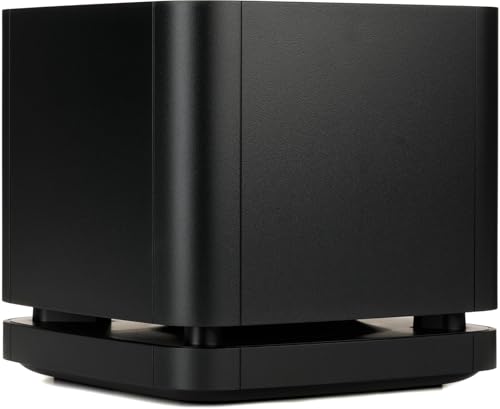
Bose Bass Module 500 Wireless Subwoofer
Best for: Bose Soundbar owners wanting compact bass
- Amplifier Type
- Active
- Connectivity
- Wireless
- Application
- Home Theater
- Speaker Type
- Powered
- Dimensions
- 10 × 10 × 10 inches
- Weight
- 11.5 pounds
View on Amazon: Bose Bass Module 500 Wireless Subwoofer Affiliate link
The Bose Bass Module 500 is a compact subwoofer designed to pair with Bose Soundbars. It features a 10-inch driver housed in a 10 x 10 x 10-inch cube. Weighing 11.5 pounds, it connects wirelessly for easy placement. This setup delivers deep bass without complex wiring. It suits those who want a tidy, integrated audio system.
Pros
- 10-inch driver size
- Wireless connectivity
- Compact 10x10x10-inch cube design
- 11.5-pound weight
Cons
- Requires a compatible Bose Soundbar
- No wired connectivity options listed
- Limited to Bose ecosystem integration
Good fit if
- You own a Bose Soundbar
- You need a compact subwoofer
- You prefer wireless setup
Skip if
- You use a non-Bose soundbar
- You need wired connections
- You want a standalone subwoofer
Verdict: Bose Bass Module 500 10-inch Cube fits Bose Soundbar owners seeking a compact, wireless bass solution. It integrates seamlessly for a tidy home theater.
Specifications side by side
| Spec | Klipsch 12" 400W Bass-Reflex Subwoofer | Bose Bass Module 500 Wireless Subwoofer |
|---|---|---|
| Woofer Size | 12" | not stated |
| Power Handling | 200 watts RMS / 400 watts peak | not stated |
| Amplifier Type | not stated | Active |
| Enclosure Type | Bass-reflex via rear firing port | not stated |
| Frequency Response | 29 Hz – 120 Hz +/- 3 dB | not stated |
| Sensitivity | 116 dB | not stated |
| Connectivity | not stated | Wireless |
| Application | not stated | Home Theater |
| Speaker Type | not stated | Powered |
| Size | Single | 12.50 |
| Dimensions | 19.2 × 14 × 16.5 inches | 10 × 10 × 10 inches |
| Weight | 31 pounds | 11.5 pounds |
| Color | Black | Black |
| Model | R-120SW | 796145-1100 |
Frequently asked questions
Which subwoofer is smaller and easier to fit in tight spaces?
The Bose Bass Module 500 is the more compact option for constrained rooms. It measures 10 inches on each side, creating a cube shape that takes up minimal floor space. The Klipsch R-120SW is significantly larger, with dimensions of 14 by 16.5 by 19.2 inches. Its bulkier design requires more room for placement.
How much weight difference exists between the Klipsch and Bose models?
You will notice a substantial weight difference if you plan to move these units. The Bose Bass Module 500 weighs only 11.5 pounds, making it easy to relocate. The Klipsch R-120SW is much heavier at 31 pounds. This extra mass suggests a more robust cabinet construction designed for stability during high-output playback.
Do both subwoofers come in the same color finish?
Yes, both models feature a black finish. This allows them to blend discreetly into most home theater environments. The Klipsch R-120SW and the Bose Bass Module 500 both use black exteriors. This consistent color choice ensures they do not draw visual attention away from your television or soundbar setup.
Which subwoofer is better for a wireless home theater integration?
The Bose Bass Module 500 is designed specifically for wireless integration. It connects wirelessly to compatible Bose Soundbars, simplifying your cable management. The Klipsch R-120SW is a wired unit that requires physical connections to your receiver. If you prefer a tidy setup without visible bass cables, the Bose option is the clear choice.
What is the primary difference in woofer size between these two?
The Klipsch R-120SW uses a 12-inch woofer, while the Bose Bass Module 500 uses a 10-inch driver. The larger 12-inch cone in the Klipsch is designed to move more air, which typically results in deeper bass extension. The Bose 10-inch driver offers a more compact solution but may not reach the same low frequencies as the larger Klipsch unit.
Is there a significant size difference between single and cube designs?
Yes, the form factors differ greatly. The Klipsch R-120SW is a single, rectangular enclosure with a bass-reflex design. Its footprint is roughly 14 by 19.2 inches. The Bose Bass Module 500 is a cube measuring 10 inches on all sides. The cube design allows for flexible placement in corners, while the Klipsch requires a longer wall space.